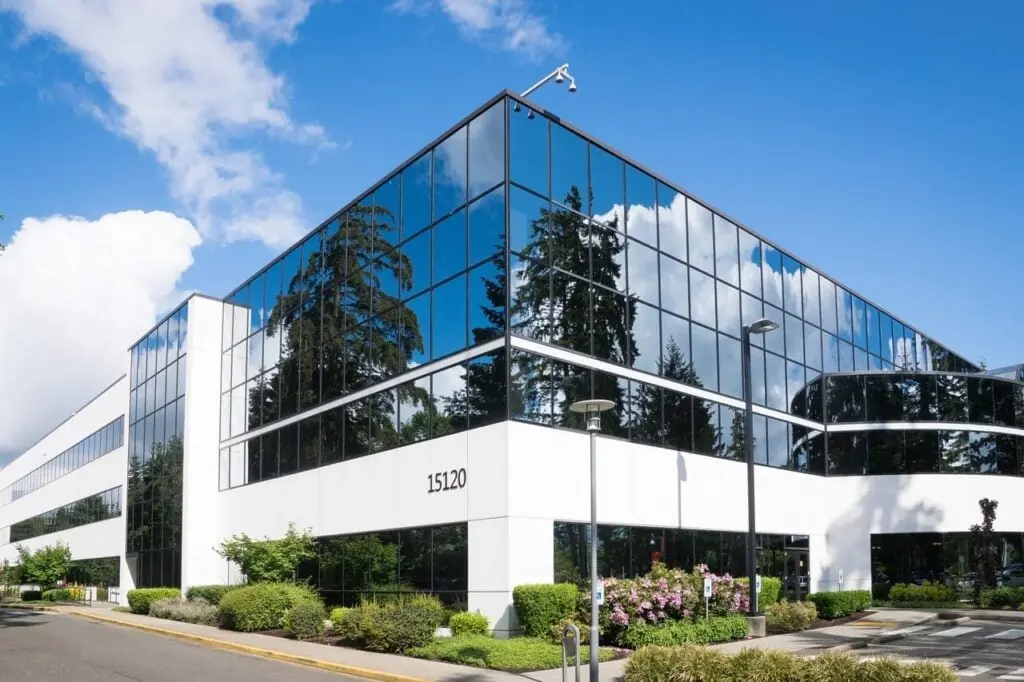
Purchasing commercial real estate in Orlando is a significant investment. Whether you are buying an office building in Lake Mary, an industrial warehouse in Sanford, a retail strip in Kissimmee, or a mixed-use property in downtown Orlando, the physical condition of the building will directly affect your return on investment, your insurance costs, and your long-term operating expenses.
A professional commercial building inspection in Orlando, Florida is the single most important due diligence step a buyer or their agent can take before closing. At Sage Commercial Inspections, we provide thorough, unbiased assessments of commercial properties throughout Central Florida, giving buyers and real estate professionals the information they need to make confident, well-informed decisions.
What Is a Commercial Building Inspection?
A commercial building inspection is a systematic, visual evaluation of a property's major structural components, mechanical systems, and site features performed by a qualified inspector. The goal is to document the current condition of the building, identify deficiencies or deferred maintenance, and estimate the remaining useful life of key systems.
Unlike a residential inspection, a commercial building inspection accounts for the complexity of larger structures, multi-tenant configurations, specialized mechanical systems, and the specific risks associated with commercial occupancy types. The findings are typically compiled into a detailed written report that becomes a critical document in the buyer's due diligence file.
Commercial Inspection vs. Property Condition Assessment
Buyers sometimes ask about the difference between a commercial building inspection and a Property Condition Assessment (PCA). A PCA, as defined by ASTM Standard E2018, includes cost estimates and capital expenditure projections in addition to the physical inspection — it is often required by lenders. A commercial building inspection provides the same thorough on-site evaluation and is the appropriate starting point for most buyer due diligence. Our team performs both, and we can recommend the right scope based on your transaction.
Why Commercial Buyers in Orlando Need a Professional Inspection
Central Florida's commercial real estate market moves quickly. Buyers and their agents face pressure to compress timelines, and inspections are sometimes treated as a formality rather than a genuine risk management tool. That approach can be expensive.
Uncover Hidden Costs Before You Close
A commercial building in Orlando may appear well-maintained on the surface while concealing deferred maintenance that will cost tens or hundreds of thousands of dollars to address. Aging flat roofs, undersized electrical service, failing HVAC equipment, corroded plumbing, and compromised building envelopes are common findings in properties across Central Florida — particularly in the older commercial building stock found in areas like Altamonte Springs, Winter Park, and Orange County's established corridors.
A thorough inspection surfaces these issues before you close, not after.
Negotiate from a Position of Knowledge
Inspection findings are a powerful negotiating tool. When the inspection reveals that the rooftop HVAC units are near the end of their service life or that the roof membrane has limited remaining useful life, you have documented grounds to negotiate a price reduction, request seller-funded repairs, or structure credits at closing. Without an inspection report, you are negotiating blind.
Protect Your Real Estate Transaction — and Your Clients
For commercial real estate agents in Orlando, recommending a professional building inspection is one of the most important services you can provide your clients. An inspection protects the buyer, protects you from future liability claims, and builds the kind of trust that generates referrals. Agents who consistently advocate for thorough due diligence are recognized as true advisors, not just transaction facilitators.
What a Commercial Building Inspection in Orlando Covers
A comprehensive commercial building inspection evaluates every major system and component. Here is what buyers and agents should expect from a thorough inspection in the Central Florida market.
Roofing Systems
The roof is typically the largest single capital expenditure a commercial building owner faces. Our inspectors evaluate:
- Roofing membrane type and condition (TPO, EPDM, modified bitumen, built-up roofing)
- Flashing at penetrations, parapets, and drains
- Drainage patterns and evidence of ponding water
- Prior repair patches and their quality
- Estimated remaining useful life
In Florida, roof condition also directly affects your ability to obtain property insurance at a reasonable premium — a critical consideration given the current state of the state's insurance market.
HVAC Systems
Commercial HVAC systems in Florida work harder than in almost any other climate in the country. We assess:
- Equipment age, manufacturer, and model
- Operational condition and visible deficiencies
- Refrigerant type (R-22 vs. current-generation refrigerants)
- Ductwork condition and insulation
- Maintenance history where available
Older R-22 systems are a significant liability in commercial transactions. Replacement refrigerant costs and the eventual need for full system replacement should be factored into any purchase decision.
Electrical Systems
Electrical deficiencies are among the most common and consequential findings in commercial building inspections. Our evaluation includes:
- Main service size and condition
- Electrical panel and sub-panel condition
- Visible wiring and connections
- Code compliance concerns
- Capacity for the intended use or future tenant needs
Plumbing Systems
We inspect accessible plumbing supply and waste lines, water heater age and condition, fixture condition, and evidence of active or past leaks. In older Orlando-area commercial buildings, cast iron drain lines are common and often show significant deterioration.
Structural Components and Building Envelope
The building's structural frame, foundation, exterior walls, windows, and doors are evaluated for signs of movement, water intrusion, deterioration, and damage. Florida's climate creates specific vulnerabilities — moisture infiltration through the building envelope is a leading cause of mold growth and structural damage in Central Florida commercial properties.
Site and Exterior Features
Parking lots, sidewalks, drainage infrastructure, retaining walls, exterior lighting, and landscaping irrigation systems are assessed. These elements are frequently overlooked but can represent substantial near-term repair or replacement costs.
Life Safety and Fire Protection
Fire suppression systems, fire alarm systems, emergency egress lighting, and exit signage are evaluated. Deficiencies in these systems can trigger code enforcement actions and require costly upgrades.
ADA Accessibility
We note visible accessibility concerns related to the Americans with Disabilities Act. While a full ADA compliance audit requires a separate specialist review, identifying obvious deficiencies during the building inspection helps buyers understand potential remediation costs.
How Much Does a Commercial Building Inspection Cost in Orlando, Florida?
Commercial building inspection costs in Orlando vary based on the size, complexity, and age of the property. Buyers should expect to invest more in an inspection for a large industrial facility or multi-tenant retail center than for a small professional office building.
As a general reference point:
- Small commercial buildings (under 5,000 square feet): inspections typically range from $500 to $1,500
- Mid-size commercial properties (5,000 to 25,000 square feet): inspections typically range from $1,500 to $4,000
- Larger commercial buildings (25,000+ square feet): fees are typically quoted on a per-project basis
The cost of a commercial building inspection is almost always a fraction of the cost of unexpected repairs discovered after closing. Contact Sage Commercial Inspections for a project-specific quote based on your property.
Commercial Building Inspection for Real Estate Agents in Central Florida
If you are a commercial real estate agent working in the Orlando metro area — including Orange County, Seminole County, Osceola County, Lake County, and Volusia County — partnering with a reliable commercial inspector is a competitive advantage.
Your clients rely on your guidance through every step of the transaction. Recommending a thorough inspection by a qualified inspector demonstrates that you are advocating for their long-term interests, not just their immediate transaction. It also protects you from future disputes if undisclosed conditions are discovered after closing.
We work efficiently within commercial transaction timelines and deliver clear, well-organized reports that you and your clients can act on. Our inspectors understand that your deals have deadlines, and we structure our process accordingly.
Florida-Specific Risks That Make Commercial Inspections Essential
Central Florida's environment creates specific building performance challenges that make professional inspection particularly important.
Hurricane Wind Exposure
Florida Building Code requirements for commercial structures have evolved significantly following hurricane losses. Older buildings may not meet current wind mitigation standards, which affects both structural risk and insurance availability. Our inspectors evaluate roof-to-wall connections, glazing systems, and cladding for wind resistance concerns.
Moisture, Humidity, and Mold
Central Florida's subtropical climate creates constant moisture pressure on commercial buildings. Roof leaks, envelope failures, and HVAC condensation issues can lead to concealed mold growth that represents both a health hazard and a significant remediation cost. We inspect for evidence of moisture intrusion and active moisture problems throughout the building.
Sinkhole Activity
While sinkhole risk is more prevalent in specific geological areas of Florida (particularly Hillsborough and Hernando counties), Central Florida buyers of properties near karst geology should be aware of this risk. Our inspectors note signs of differential settlement or foundation movement that may warrant further geotechnical evaluation.
Aging Commercial Building Stock
Much of Orlando's commercial real estate was built during rapid development booms in the 1980s, 1990s, and early 2000s. Buildings from these periods are now reaching or approaching the end of the useful life of major systems including roofing, HVAC, electrical panels, and plumbing. Pre-purchase inspections are especially critical for properties in this age range.
Choosing the Best Commercial Building Inspector Near Me in Orlando
When selecting a commercial building inspector in the Orlando area, buyers and agents should look for:
- Verifiable experience with commercial properties, not just residential inspection experience
- Clear, detailed reports that document findings with photographs and plain-language descriptions
- Knowledge of Florida building codes and local market conditions
- Professional liability coverage appropriate for commercial inspection work
- Efficient turnaround compatible with commercial transaction timelines
At Sage Commercial Inspections, we bring focused commercial building inspection expertise to every project. We do not perform residential inspections — our entire practice is dedicated to commercial properties, which means you benefit from deep, specialized knowledge on every engagement.
Schedule Your Commercial Building Inspection in Orlando Today
If you are buying commercial real estate in Orlando, Central Florida, or anywhere in the surrounding metro area, do not close without a professional building inspection. The information in a thorough inspection report is the foundation of sound due diligence and a confident purchase decision.
Contact Sage Commercial Inspections to schedule your commercial building inspection or to request a quote. We serve buyers, investors, lenders, and real estate agents throughout Orange County, Seminole County, Osceola County, Lake County, and Volusia County.
Frequently Asked Questions: Commercial Building Inspections in Orlando, Florida
How long does a commercial building inspection take in Orlando?
The duration depends on the size and complexity of the property. A small office building may require two to three hours on-site. A larger retail center or industrial building may require a full day or more. We provide time estimates when quoting each project.
Do I need a commercial building inspection if the property is newer?
Yes. Even newer commercial buildings can have construction defects, system performance issues, or maintenance deficiencies that are not visible without a professional evaluation. A building inspection is appropriate for properties of any age.
Can a commercial building inspection find mold?
Our inspectors document visible evidence of mold growth and conditions that are conducive to mold development, such as moisture staining, active leaks, and HVAC condensation issues. If mold is suspected but not visible, we can recommend a specialist for air quality testing and mold assessment.
What is the difference between a commercial inspection and a residential inspection?
Commercial inspections address larger, more complex structures with specialized systems, multi-tenant configurations, and occupancy-specific code requirements that are not present in residential properties. Commercial inspectors assess items like rooftop mechanical equipment, fire suppression systems, elevator systems (when applicable), and commercial electrical service configurations.
Do lenders require a commercial building inspection?
Many commercial lenders require a Property Condition Assessment (PCA) as part of their underwriting process. Even when a PCA is not lender-required, a commercial building inspection is advisable for any buyer. We perform both standard commercial inspections and ASTM E2018-compliant Property Condition Assessments.
How do I find a qualified commercial building inspector near me in Orlando?
Look for inspectors who specialize exclusively or primarily in commercial properties, carry appropriate professional liability insurance, and can provide sample reports and references from commercial transactions. Sage Commercial Inspections serves the entire Orlando and Central Florida area and focuses exclusively on commercial properties.
Can a real estate agent order a commercial building inspection on behalf of their client?
Yes. Many agents coordinate the inspection directly with our office and include it as part of their due diligence management for the client. We are happy to work with agents to schedule inspections efficiently within transaction timelines.
What happens if the commercial inspection finds major issues?
Significant findings give the buyer options: negotiate repairs or price reductions with the seller, request credits at closing, require remediation before closing, or in some cases make an informed decision to walk away from the transaction during the due diligence period. The inspection report is the documentation that makes any of these outcomes possible.